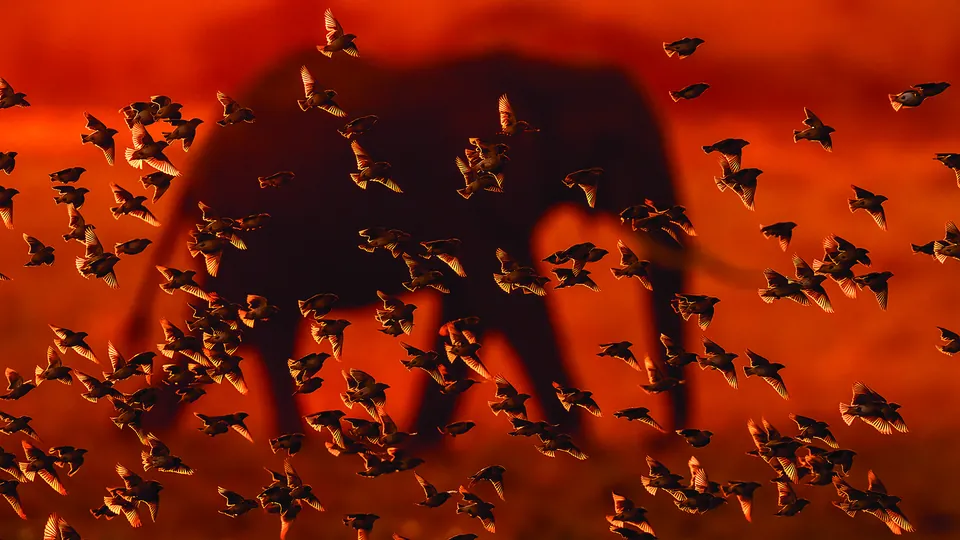
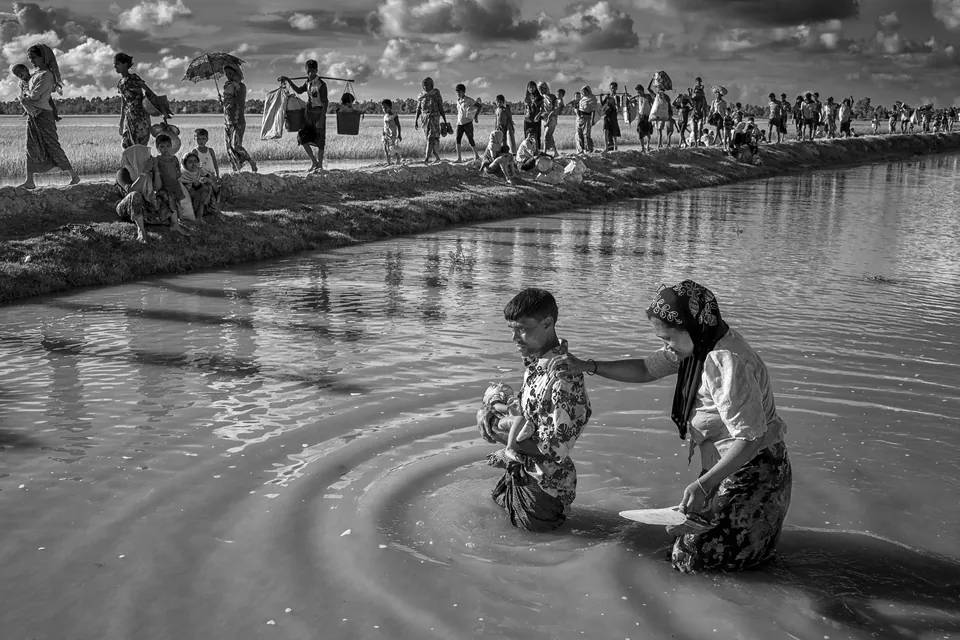
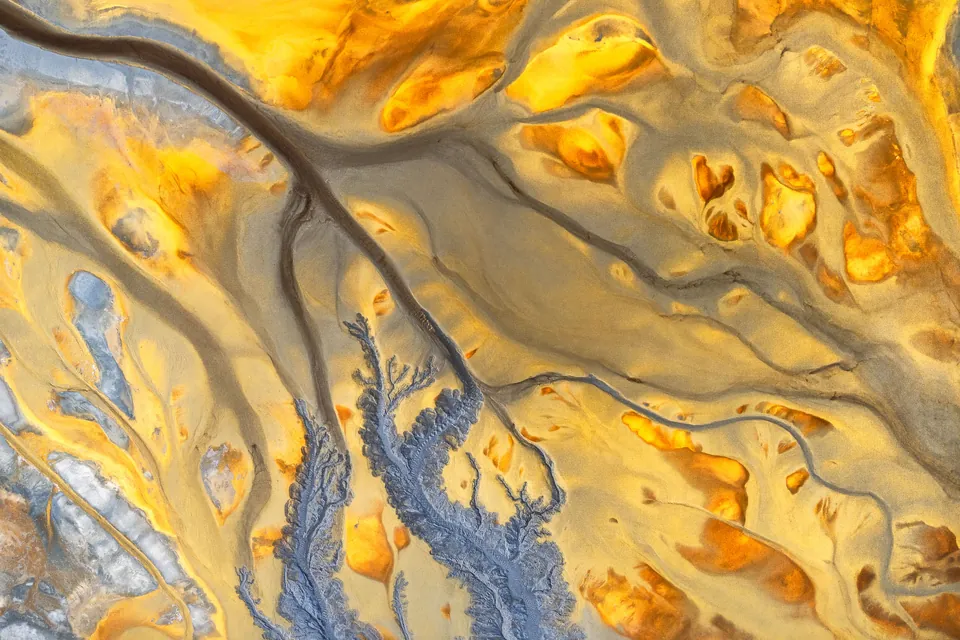
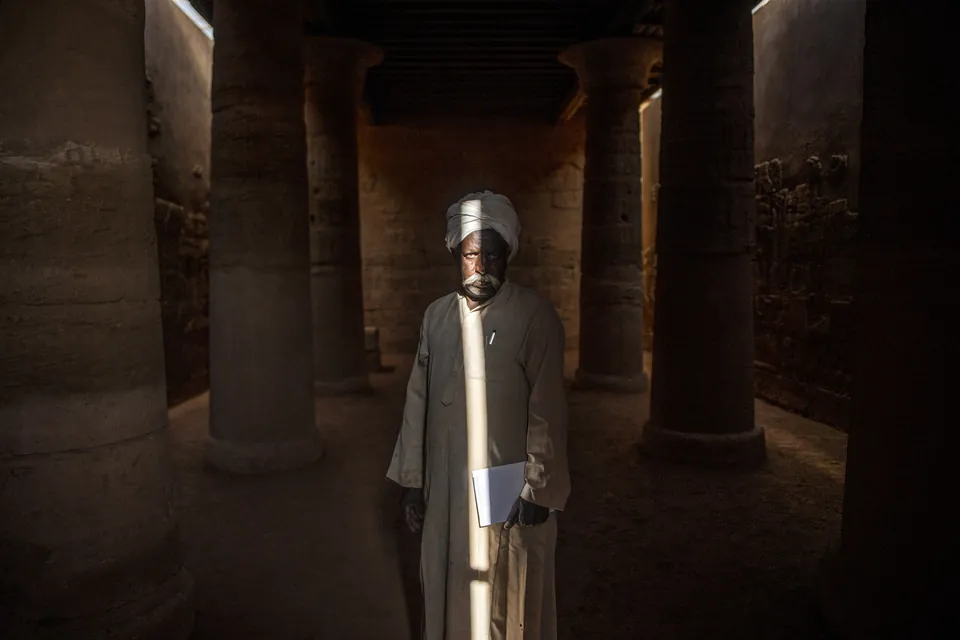
Nature photography documents all branches of natural history except anthropology and archaeology. This includes all aspects of the physical world, both above and below water.
Nature images should reflect the truth of the scene. A knowledgeable person must be able to identify the subject of the image and be satisfied that it is honestly presented and that no unethical practices have been used to control the subject or capture the image. Images that directly or indirectly depict any human activity that threatens the life or well-being of a living organism are not permitted.
The most important part of a nature image is the natural story it tells.
High technical standards are expected and the image must appear natural.
- Human-created objects and evidence of human activity are allowed in nature images only when they are a necessary part of natural history.
- Photographs of man-made hybrid plants, cultivated plants, feral animals, domesticated animals, man-made hybrid animals, and mounted or preserved zoological specimens are not permitted.
- Photographs taken in natural settings where the animal has not been harmed, in carefully managed environments such as zoos, rescue centres and ethically managed nature farms are permitted.
- Luring or controlling subjects through the use of food or sound for photographic purposes is not permitted. Situations maintained such as the provision of supplementary food due to adverse weather or other conditions beyond the control of the animal, where photography is incidental to feeding, are not included in this restriction.
- Controlling live subjects by chilling, anaesthesia or other methods that restrict their natural movement for a photograph is not permitted.
- Man-made elements shall be permitted under the following circumstances: a) when they are an integral part of the natural history, such as a bird singing on a fence post, a man-made object used as nesting material or a weather phenomenon destroying a man-made structure; b) when they are a small but unavoidable part of the scene, such as an inconspicuous footprint in the background; c) scientific tags, collars and bands are specifically permitted.
- When photographing in a zoo, sanctuary or rehabilitation centre, the photographer shall be deemed to have ensured that he/she is properly accredited and in accordance with best practice.